

CHEMICAL PEEL
What can chemical peels help with?
Uneven skin tone
Certain superficial pigmentation concerns
Congested or blemish-prone skin
Rough or uneven texture
Dull-looking skin
Some fine lines and signs of photodamage
Not all skin concerns respond to the same treatment, and not all chemical peels are designed to make your skin visibly peel.
TREATMENT TIME 30-60MINS
TREATMENT SESSIONS: ONGOING MAINTENANCE
TREATMENT INTERVALS EVERY 4-6 WEEKS
Treatment depth, recovery and session intervals depend on your skin and clinical assessment.
TO VIEW YOUR UPCOMING APPOINTMENTS, CREDITS, TREATMENT PLAN
OR BOOK YOUR NEXT VISIT.
Stronger doesn’t mean better.
Chemical exfoliating agents act on the skin to loosen connections between surface skin cells and promote exfoliation.
Skin Renewal
Chemical peels use carefully selected exfoliating solutions to encourage the shedding of superficial skin cells and improve the appearance of specific skin concerns.
Depending on the formulation, strength and application technique, peels can help address uneven texture, congestion, dullness and certain types of pigmentation.
Some treatments provide gentle surface exfoliation with minimal downtime, while more intensive peels require a longer recovery period.
Formulation and Strength
The right peel is selected according to your skin condition, tolerance and treatment goals, rather than choosing the strongest option available.
Goal
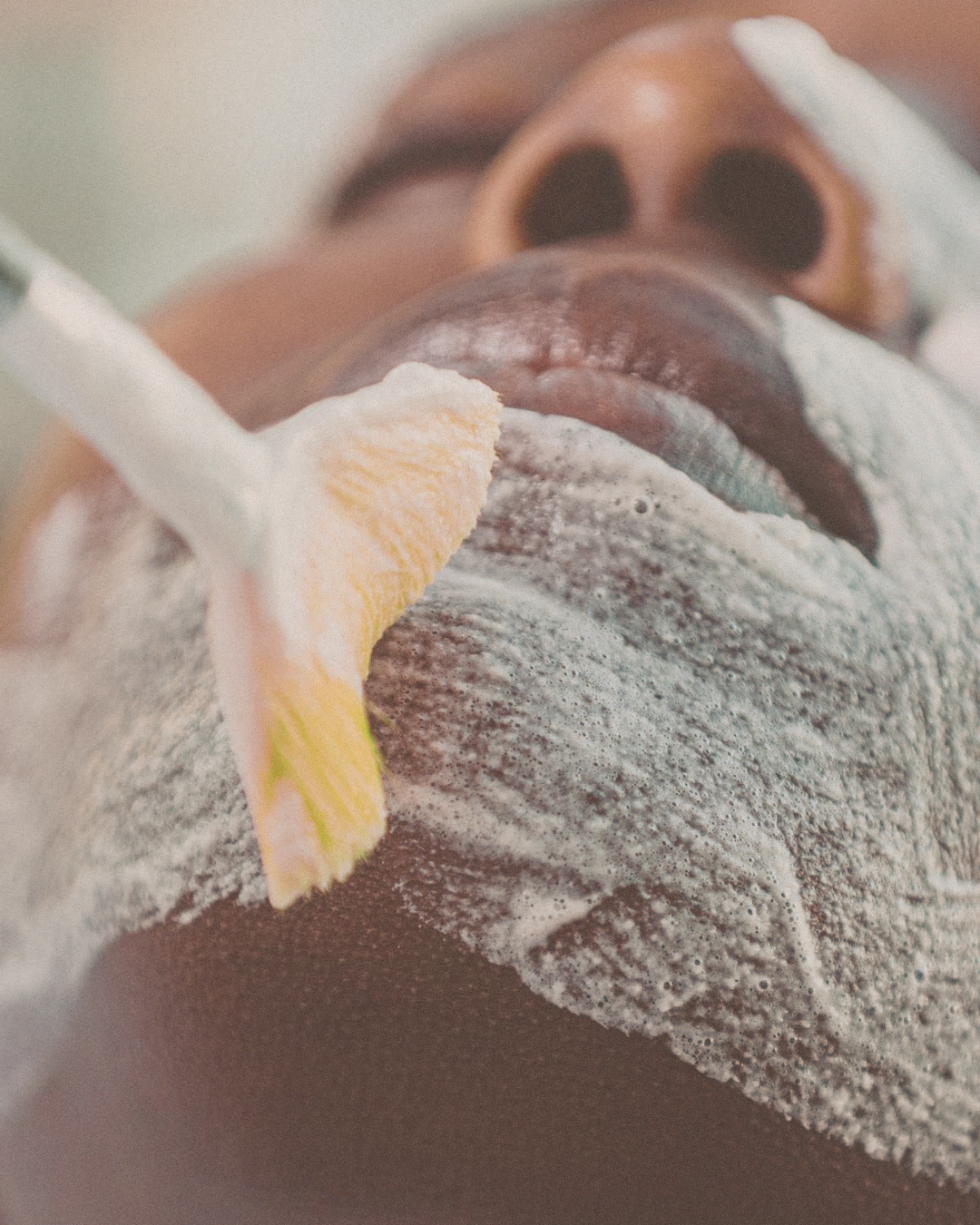
Selected according to your skin
Alpha hydroxy acids (AHAs)
Such as lactic, glycolic and mandelic acids, commonly used to address surface texture, dullness and uneven-looking tone.
Such as salicylic acid, often selected for oily, congested and blemish-prone skin.
Beta hydroxy acids (BHAs)
Combination and professional resurfacing peels
Formulations that use multiple exfoliating agents to address particular concerns. Their effects and recovery requirements depend on the specific protocol.
FAQs
-
Not necessarily. Some superficial peels produce little or no visible flaking, while others may cause dryness and peeling several days later. Visible peeling is not required for a treatment to have an exfoliating effect.
-
You may experience tingling, warmth or mild stinging during application. The sensation varies according to the formulation, concentration and skin sensitivity.
-
Some peels may improve certain superficial pigmentation concerns. However, pigmentation has different causes, including melasma and post-inflammatory hyperpigmentation. Incorrect treatment can worsen pigmentation, so assessment is important.
-
Some superficial peels are appropriate for certain acne-prone skin types. Active inflammation, skin irritation, medication use and the severity of acne need to be assessed before treatment.
-
It is preferable to avoid makeup for the remainder of the day or approximately 24 hours if the skin is sensitive. Follow the advice provided for your skin.
-
Retinoids and other exfoliating products may need to be paused before and after treatment. The timing depends on the peel and your skincare prescription, so follow your individual preparation and aftercare instructions.