
DERMAPLANING
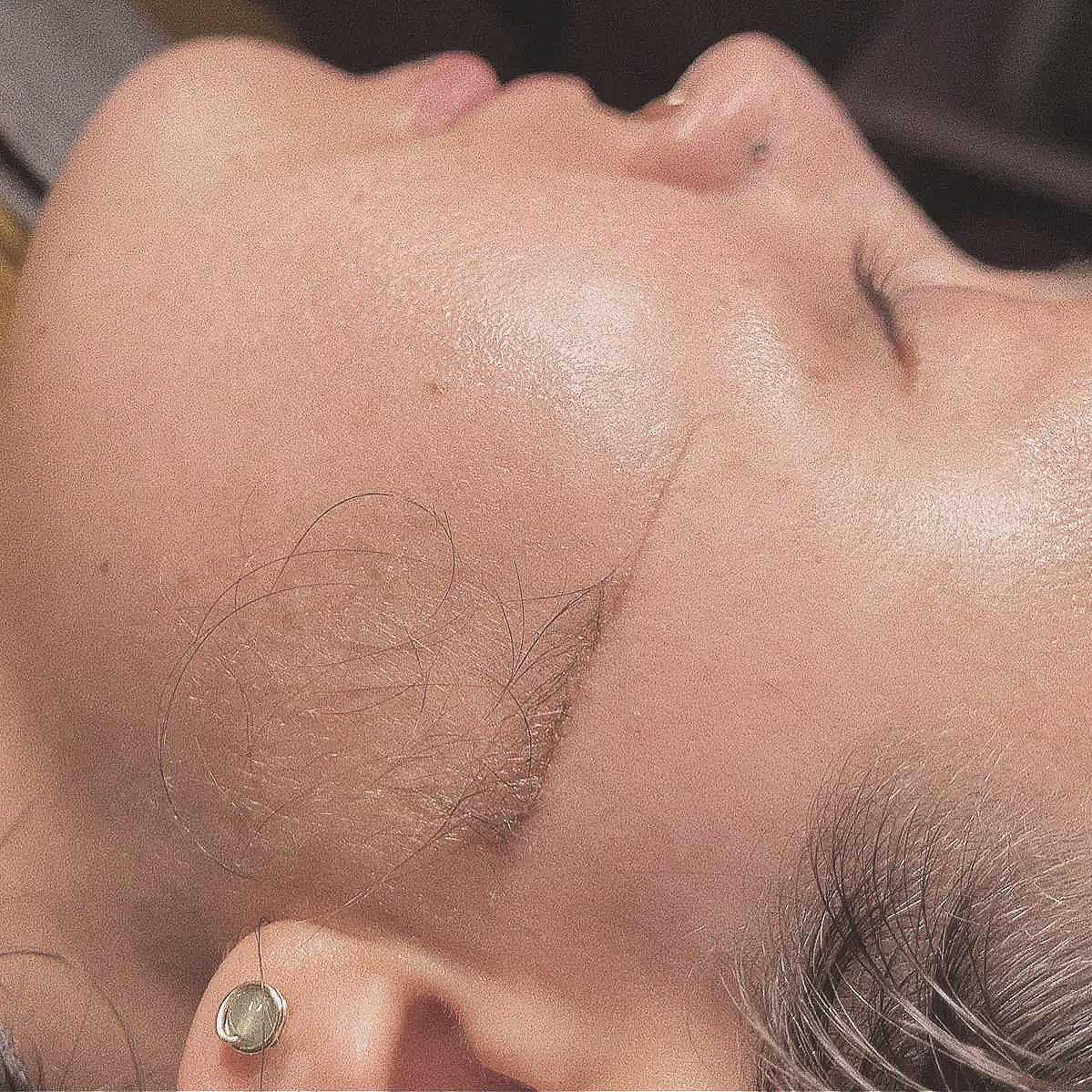
A GENTLE EXFOLIATION TREATMENT DESIGNED TO REMOVE SUPERFICIAL DEAD SKIN CELLS AND FINE VELLUS HAIR, LEAVING THE SKIN FEELING SMOOTHER, SOFTER AND MORE REFINED.
-
Dermaplaning may be used to support improvement in:
dull or rough skin texture
superficial dead skin build-up
uneven makeup application
reduced skin smoothness
mild surface congestion
skin requiring gentle resurfacing with minimal downtime
It may also be used as a preparatory treatment before selected professional treatments, depending on the clinical indication.
Suitability depends on the current condition of the skin, barrier status, and whether there is active inflammation, irritation, or breakout activity.
-
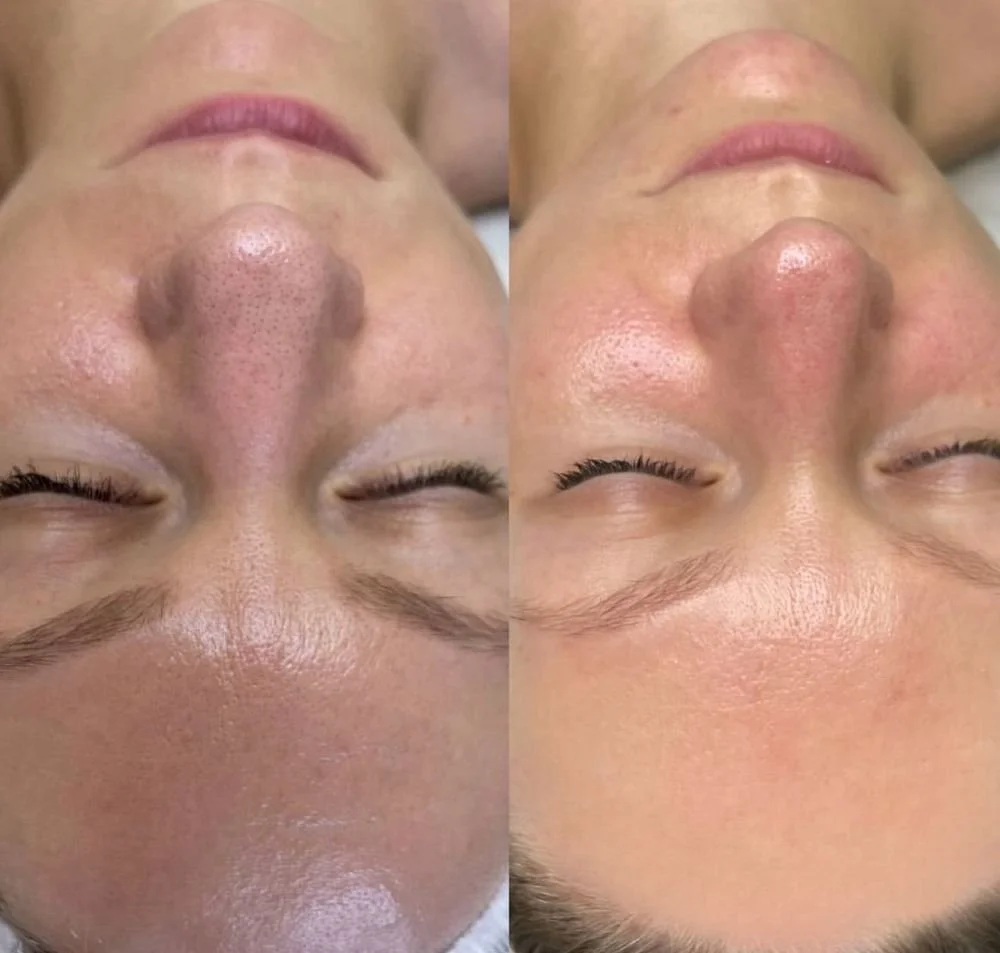
Dermaplaning is generally well tolerated and often results in an immediate improvement in skin smoothness and surface clarity.
Following treatment, clients may notice:
smoother skin texture
improved skin softness
increased visible radiance
more even cosmetic application
temporary mild sensitivity in some cases
Individual response may vary depending on skin condition and treatment intensity.
-
Dermaplaning is a superficial exfoliation treatment and should not be considered a corrective treatment for deeper structural skin concerns.
It is not designed to address:
significant acne scarring
moderate to severe active acne
deeper pigmentation disorders
skin laxity or structural ageing
persistent inflammatory skin conditions
Where more advanced concerns are present, dermaplaning may be used as a supportive or preparatory treatment rather than the primary corrective option.
FREQUENTLY ASKED QUESTIONS
-
In some cases, yes. Suitability depends on the level of sensitivity, barrier condition, and the type of treatment being performed.
-
Dermaplaning is generally associated with minimal downtime, although some clients may experience temporary sensitivity or mild redness.
-
It may assist with superficial build-up in selected cases, but it is not suitable for all acne presentations, particularly where there is active inflammation.
-
Treatment frequency depends on the skin condition, treatment goals, and broader skin plan.
-
In some cases, yes. It may be incorporated as part of a broader skin treatment plan where clinically appropriate.
Not sure what your skin needs? Start with a consultation.
〰️
Not sure what your skin needs? Start with a consultation. 〰️
If you have any questions regarding treatments, consultations, or bookings, please reach out via the form below or email us directly.